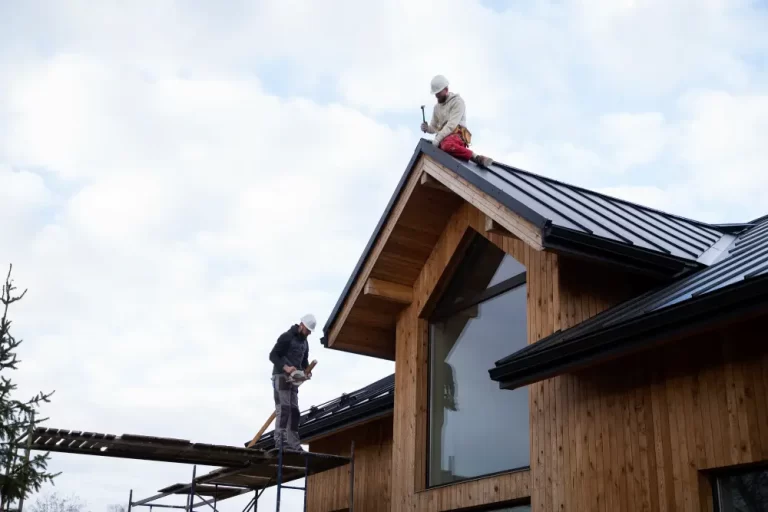
The roof may not immediately come to mind when considering the comfort of your home. Yet, it plays a vital role in keeping your space cozy and safe from unwanted moisture. For homeowners in Orange Park, who deal with both heat and humidity regularly, understanding roof ventilation is key. Ensuring proper roof ventilation not only keeps your attic dry and cool but also safeguards the entire structure of your home. In this article, we’ll explore why proper roof ventilation matters, how it works, and what steps you can take to make sure yours is up to par. By prioritizing ventilation, you’re investing in both your family’s comfort and the longevity of your home.
Orange Park homeowners should understand that proper roof ventilation is essential for maintaining a healthy attic environment, regulating temperature, and preventing moisture buildup, which can lead to mold and structural damage. Adequate ventilation systems help extend the lifespan of your roof while improving energy efficiency, so it’s important to verify that your roofing system includes the right type of vents tailored for the local climate.
Why Roof Ventilation Matters
Roof ventilation is more than just a technical concept; it fundamentally impacts your home’s longevity and your family’s comfort. Think of it as giving your house a chance to “breathe.” The attic acts as a buffer between the outside elements and your living space, ensuring proper airflow prevents various issues from trapped heat or moisture.
Temperature Control
During scorching summer months, proper roof ventilation is crucial. By allowing hot air to escape, you can significantly lower the temperature in your attic. As a result, it might even feel cooler in your living spaces below. This heat reduction can ease the burden on your air conditioning system, leading to lower energy bills—a win-win for both your comfort and your wallet.
However, the benefits of effective roof ventilation are not limited to just the warmer months.
Moisture Control
In winter, ventilation serves an equally vital role by combating moisture accumulation. Every day activities like cooking, showering, and even simple breathing release moisture into the air. Without adequate airflow, this moisture can condense within your attic space. Over time, trapped moisture leads to mold growth and structural damage due to rot. Mold growth is a silent threat; you might not notice immediate issues, but mold can be insidious, impacting your family’s health and safety.
It’s important to recognize that ventilation doesn’t just impact your roofing system—it’s also directly tied to the health of your indoor air quality.
Poor ventilation can encourage unwanted pests and allergens to thrive in hidden spaces. Just as you wouldn’t want stale air lingering in your home, neither should it dwell in your attic. Proper ventilation keeps air flowing freely throughout the year, preventing stagnation and ensuring that any humidity present is efficiently expelled.
Understanding how these mechanisms work together enhances comfort and safeguards your investment in your home’s structure and health.
How Roof Ventilation Works
Roof ventilation systems create a harmonious balance between intake and exhaust vents, fostering a natural flow of air. The intake and exhaust vents work together like two dance partners, ensuring that the environment in your attic remains comfortable throughout the year. When fresh, cool air flows in through the intake vents, it pushes out the warm and moist air that can accumulate, especially during hot summer days or moisture-heavy seasons.
Step-by-Step Process
Step I – Intake Vents
The first step towards achieving effective roof ventilation is installing intake vents. Typically installed along the eaves or soffits of the roof, these vents draw in fresh air from outside. Imagine them as tiny windows welcoming nature’s refreshing breeze straight into your attic space.
This incoming air plays a crucial role by displacing any stagnant, warm, and humid air trapped within. Without this replacement airflow, your attic can easily become a stifling oven, amplifying heat and humidity that contribute to mold growth or even warping of wooden structures.
Next, we have to consider how to let that warm air escape, ensuring an uninterrupted flow of coolness throughout the space.
Step II – Exhaust Vents
Exhaust vents come into play near the roof ridge, acting like exit doors for the oppressive heat and moisture that may otherwise cause chaos in your attic environment. By allowing this warmer air to escape, these vents ensure a smooth exchange of air, keeping your home cooler while also protecting roofing materials from damage.
This cycle of intake and exhaust is not just beneficial for comfort; it is crucial for extending the lifespan of your roofing materials. When roofs are frequently exposed to heat and humidity without proper ventilation, they deteriorate faster, leading to costly repairs.
As you assess your roof ventilation system, consider consulting professionals who specialize in residential roofing solutions like Massey Contracting Services. Delivering quality installations and inspections ensures both functionality and structural integrity over time.
Harnessing airflow effectively is essential for creating an inviting atmosphere inside while protecting your valuable investment. Now, let’s explore how such ventilation positively impacts your home’s workings.
Benefits of Proper Ventilation
One of the most noteworthy advantages of proper roof ventilation is energy efficiency. By allowing hot air to escape and cooler air to enter, well-ventilated attics can maintain lower temperatures during the summer months. This means your air conditioning system won’t have to work as hard to keep every room comfortable, translating directly into reduced energy bills. Imagine stepping into your home on a scorching August afternoon and feeling a refreshing breeze instead of the oppressive heat lingering in poorly ventilated spaces.
Furthermore, let’s consider how an extended roof lifespan plays an essential role in maintaining your investment. Roofs can wear down prematurely when subjected to extremes of temperature and moisture. With effective ventilation, you significantly reduce the risk of heat and humidity accumulating under the roof deck. Over time, this accumulation leads to serious structural issues such as rotting wood and compromised shingles. Protecting your roof from undue stress ensures that it lasts as long as possible, giving you more peace of mind—and savings—in the long run.
Alongside protecting your roof, proper ventilation results in enhanced comfort throughout the home. An attic that remains cool and dry helps stabilize indoor temperatures, contributing to a more consistent climate across rooms. You might notice that certain areas do not feel stuffy when the temperature rises outside. When each room maintains a comfortable temperature, your entire living environment becomes more welcoming and enjoyable for families and guests alike.
Proper ventilation significantly improves indoor air quality. By keeping moisture at bay, adequate ventilation virtually eliminates conditions conducive to mold and mildew growth—a common concern for homeowners. If left unchecked, mold spores can significantly impact health, leading to respiratory issues and allergies. In comparison, when airflow is optimized, your home’s air remains cleaner and healthier to breathe.
Understanding the importance of proper ventilation goes beyond simple maintenance; it’s about investing in your family’s health and comfort. Good ventilation practices ensure that every aspect of home life—from energy costs to personal well-being—is positively impacted by optimal airflow through your roof.
With these benefits in mind, exploring various options available will help you make informed choices for enhancing airflow in your home.
Choosing the Right Vents
Selecting the appropriate vents for your home isn’t merely about aesthetics; it’s fundamentally linked to your energy efficiency and comfort levels. Each type of vent addresses a specific need in the airflow chain, and understanding their functions will enable you to create a balanced environment within your home. When you think about ventilation, it’s like crafting a healthy ecosystem: every component plays its part.
Types of Vents
- Ridge Vents: Positioned at the peak of your roof, these vents allow hot air to escape while cooler air enters through intake vents. They’re typically continuous, providing a seamless look and ensuring consistent ventilation across the top of the house.
- Soffit Vents: Located under the eaves, soffit vents are crucial for bringing fresh air into your attic space. This intake helps offset the hot air that ridge vents expel, facilitating an effective airflow cycle.
- Gable Vents: Found in the triangular section of a sloped roof, gable vents can enhance airflow but should generally be used alongside other vent types for maximum effectiveness. They allow passive ventilation when the wind blows across them.
- Powered Vents: These electrically driven options ensure constant air circulation, beneficial in larger attics or homes with significant heat retention issues. Powered vents can really take control of moisture and temperature levels when passive solutions aren’t sufficient.
For homes specifically in Orange Park, where humidity can escalate quickly, strategically utilizing a combination of ridge and soffit vents usually yields optimal results. Ridge vents create an effective exit strategy for warm air, while soffit vents pull in cooler air from outside. This combo creates a balanced airflow that prevents excessive moisture buildup—an important consideration for local homeowners wanting to maintain their roofs’ longevity.
If you’re unsure which vent configuration fits your home best or if you have unique architectural features that require special attention, consulting professionals like those at Massey Contracting Services is wise; they can provide tailored advice based on specific needs and local climate factors.
With these insights into vent types and their applications, you’re equipped to implement changes that will significantly impact your home’s comfort and longevity. As we move forward, addressing potential challenges such as excess moisture will further enhance your roofing experience.
Avoiding Moisture Problems
One of the most detrimental consequences of inadequate roof ventilation is the accumulation of moisture, which can lead to severe structural problems. Imagine a sponge left in water for days—it becomes soggy, loses its integrity, and might even emit an unpleasant odor. The same principle applies to your home. When excess moisture gathers in your attic or roof spaces, it creates a breeding ground for issues that can erode your property’s value and safety.
Common Problems
Some common issues stemming from improper ventilation include:
- Wood Rot: Extended exposure to moisture can cause wooden structural components like beams or frames to rot. This compromises the very structure of your home; a rotting beam is like trying to balance a tower made of cards—it will eventually collapse.
- Mold Growth: Humid environments are perfect for mold and mildew to flourish. Mold poses health risks to you and your family while leading to deteriorating walls or ceilings.
- Insulation Damage: Moisture seeps into insulation, causing it to lose efficiency. Think about how a damp sponge doesn’t dry out as quickly as a dry one; similarly, wet insulation cannot prevent heat transfer effectively, resulting in higher energy bills as heating and cooling systems work harder.
Given these potential issues, monitoring humidity levels becomes crucial. Prevention is always more effective than dealing with costly repairs later. With today’s technology advancements, using humidity sensor vents in your attic will help keep tabs on moisture levels continuously. These sensors alert you when humidity rises above safe thresholds, allowing you to take action before significant damage occurs.
Embracing proactive solutions instead of waiting for problems to manifest is key. Simple yet effective steps, such as ensuring proper ventilation, will extend the life of your roof while safeguarding your family’s health and comfort in their home.
As you weigh the importance of maintaining adequate ventilation, consider the methods available for ensuring this essential element, whether through professional assistance or taking on the task yourself.
Installation: Professional vs DIY
When it comes to installing a roof ventilation system, there are two main paths you can take: hiring professionals or tackling the project yourself. Each option has its set of advantages and challenges that can significantly impact the outcome of your ventilation system.
Professional Installation
Opting for professional installation is often the safest and most reliable route. Companies like Massey Contracting Services, LLC have skilled teams experienced in roofing systems. They ensure that every aspect of the installation process meets your specific requirements. Not only do they inspect your existing roof condition before installation, but they also provide recommendations on the most efficient vent types based on factors such as climate, roof design, and home size. This tailored approach avoids common pitfalls that inexperienced installers might encounter.
It’s essential to ensure all work is compliant with local building codes. Professionals will handle this, giving you peace of mind knowing that your ventilation system adheres to safety standards and regulations.
However, if you possess a certain level of confidence and manual dexterity, a DIY installation might be an enticing option.
DIY Installation
For the hands-on homeowner, several kits are available for those interested in installing a roof ventilation system themselves. These kits often come with detailed instructions and all necessary components, making them accessible for varying skill levels. However, it’s crucial to recognize that working at heights presents its challenges and requires safety precautions. Before embarking on this path, assess your comfort level with tools and climbing ladders.
While thorough guides can simplify the process, having basic carpentry skills and familiarity with roofing materials is critical for success. Mistakes during installation can lead to inefficient ventilation or even damage to your roofing structure, neither of which is something any homeowner wants to deal with!
By evaluating these factors carefully, you’ll be better prepared for determining which option suits you best as you consider additional valuable insights tailored specifically for homeowners in your area.
Orange Park Specific Tips
One essential factor in maintaining a comfortable indoor environment in Orange Park is recognizing the climatic conditions that come into play. Given the area’s notorious heat and humidity, having effective roof ventilation isn’t just helpful; it’s vital for your home’s well-being. High humidity can lead to moisture accumulation, resulting in potential mold growth and structural damage over time. Putting into practice specific strategies can significantly improve the situation.
Climatic Considerations
As noted earlier, Orange Park’s warm and humid environment creates a breeding ground for moisture problems if not addressed properly. Investing in a high-quality ventilation system helps keep air moving throughout your attic, allowing heat to escape during hot months. Consider installing ridge vents that promote superior airflow or gable end fans that actively pull out hot air.
Along with vents, consider the type of insulation you use within your roof space. Proper insulation works hand-in-hand with ventilation by helping to keep hot air from seeping into your living spaces while ensuring that moist air can escape efficiently.
Consult Local Experts
When planning your roof ventilation strategy, engage with experts who understand the nuances of Orange Park’s climate. Professionals like those at Massey Contracting Services possess localized knowledge about building codes and best practices for effective ventilation systems tailored to the region. This expertise ensures that your system is efficient and compliant with local regulations, ultimately enhancing its effectiveness and longevity.
In short, maintaining proper ventilation extends beyond simply adding vents; it requires an understanding of how climatic factors uniquely affect your property. By adapting to local environmental conditions and consulting qualified professionals, you position yourself to create a healthier, more comfortable living atmosphere amidst Orange Park’s warm embrace.
Are you ready to enhance your home’s roof ventilation? Contact us at Massey Contracting Services or call 904-734-7758 for a free consultation today!